Lines Script: A Strategic Font Pair for Professional and Creative Projects
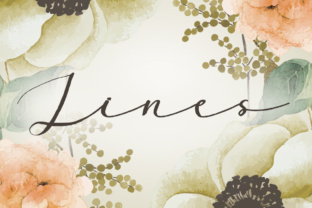
Lines Script is a beautifully crafted, fancy handwritten font that offers a unique blend of elegance and readability. When paired with its matching sans serif counterpart, it creates a dynamic duo that can elevate the visual impact of any project. This font combination is not just about aesthetics—it's a strategic choice that can enhance communication, branding, and user experience when used thoughtfully.
The Strategic Value of Lines Script
Choosing the right typography can make a significant difference in how your message is received. Lines Script brings a personal and artistic touch to text, making it ideal for situations where you want to convey warmth, creativity, or sophistication. However, its value lies not only in its appearance but also in how it aligns with your goals and audience expectations.
For example, if you're designing a wedding invitation, Lines Script can evoke a sense of romance and celebration. In contrast, using it for a business report might be inappropriate unless carefully balanced with the sans serif font for clarity and professionalism.
When to Use Lines Script
Consider using Lines Script in the following scenarios:
- Creative projects: Invitations, greeting cards, logos, and branding materials benefit from the personal touch of a script font.
- Marketing collateral: Brochures, flyers, and promotional content can stand out with a well-placed script font.
- Personalized communications: Thank-you notes, birthday cards, and other handwritten-style messages feel more authentic with Lines Script.
- Design elements: Use it for headings, titles, or accents in web design, print media, or digital presentations.
However, it’s important to avoid overusing Lines Script. Too much of it can be distracting or hard to read, especially on screens or in small sizes. Always ensure that the font serves a purpose rather than being used purely for decoration.
Strategic Planning with Lines Script
Before incorporating Lines Script into your work, take time to plan strategically. Ask yourself:
- What is the goal of this project? Is it to inform, persuade, entertain, or inspire?
- Who is the target audience? Will they appreciate the style of Lines Script, or would it confuse them?
- What is the context? Does the setting support a more formal or casual tone?
- How will it be used? Will it appear on a website, in print, or as part of a digital presentation?
By answering these questions, you can determine whether Lines Script is the best fit or if another font pair would be more effective.
Practical Examples of Lines Script in Action
Let’s look at some real-world examples of how Lines Script can be used effectively:
- Wedding invitations: A beautiful invitation using Lines Script for the names and dates can create a memorable first impression.
- Business branding: A logo that combines Lines Script with a clean sans serif font can communicate both creativity and professionalism.
- Product packaging: Using Lines Script on labels or tags adds a unique flair that can differentiate your product from competitors.
- Website headers: A header in Lines Script can draw attention and set the tone for the rest of the page.
In each case, the font is used intentionally to support the overall message and design of the project.
Risks of Using Lines Script Without Strategy
While Lines Script has many benefits, it also comes with risks if used without careful consideration. One common mistake is using it in contexts where it doesn’t belong. For instance, using a fancy script font in a technical document may make the content appear less credible or harder to read.
Another risk is overuse. If you apply Lines Script to every heading, paragraph, or element, it can become overwhelming and reduce the effectiveness of your message. It’s crucial to use it sparingly and only where it adds value.
Additionally, Lines Script may not be the best choice for accessibility. Some users, particularly those with visual impairments, may find script fonts difficult to read. Always consider alternative options or provide additional formatting to ensure inclusivity.
How to Use Lines Script Intentionally
To use Lines Script intentionally, follow these guidelines:
- Use it for emphasis: Apply Lines Script to headlines, titles, or key phrases to highlight their importance.
- Balance with sans serif: Pair Lines Script with a clean, modern sans serif font to maintain readability and visual harmony.
- Test across platforms: Ensure that the font looks good on different devices and screen sizes before finalizing your design.
- Consider legibility: Avoid using Lines Script in small text sizes or low-contrast environments where it may be hard to read.
- Align with brand identity: Choose fonts that reflect your brand’s personality and values. If your brand is professional, a script font may need to be used more subtly.
By applying these principles, you can ensure that Lines Script enhances your work rather than detracts from it.
Long-Term Benefits of Strategic Font Use
Using Lines Script with intention can lead to long-term benefits such as improved brand recognition, better user engagement, and more effective communication. When your typography aligns with your goals and audience needs, it can help you achieve better results and build stronger relationships with your customers or readers.
Whether you're an entrepreneur launching a new product, a marketer designing a campaign, or a creative working on a personal project, thoughtful font choices can make a meaningful difference. Lines Script is a powerful tool when used with strategy and purpose.
Remember, the goal isn't to use the fanciest font available—it's to use the right font for the right reason. With careful planning and execution, Lines Script can be a valuable asset in your creative toolkit.