Tino Script: A Versatile Monoline Script Font for Modern Design
Tino Script is a monoline script font that stands out with its elegant, flowing design and adaptability across various creative fields. As a designer or content creator, choosing the right typeface can significantly impact the visual appeal of your work. Tino Script brings a unique blend of sophistication and flexibility, making it a popular choice among professionals looking to enhance their projects with a touch of handwritten elegance.
What Makes Tino Script Unique?
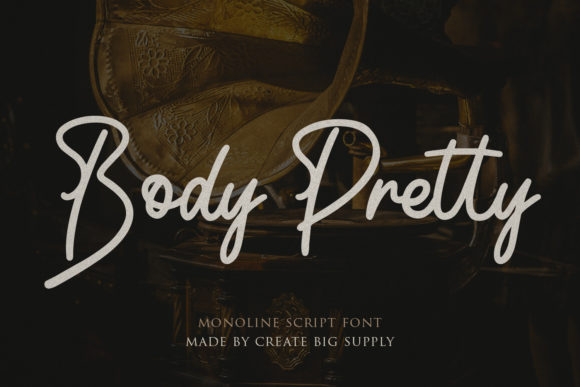
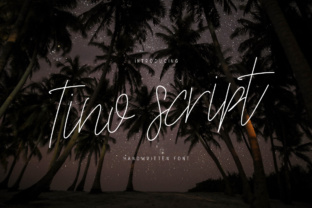
Tino Script distinguishes itself through its clean, uniform stroke width and dynamic baseline. Unlike traditional script fonts that may vary in thickness or have irregular spacing, Tino Script maintains a consistent line weight throughout, which gives it a modern and refined appearance. This feature makes it particularly suitable for digital applications where consistency is key.
The dancing baseline of Tino Script adds a sense of movement and fluidity, allowing text to appear more natural and expressive. This characteristic is especially beneficial for headings, logos, and other design elements that require attention-grabbing typography without sacrificing readability.
Its thin weight contributes to a minimalist aesthetic, enabling it to blend seamlessly into both contemporary and classic design schemes. Whether you're working on branding materials, web content, or print media, Tino Script offers a versatile solution that adapts well to different contexts.
Comparing Tino Script with Other Script Fonts
When evaluating script fonts, it's important to consider how they perform in terms of legibility, versatility, and overall style. Tino Script holds its own against similar options by striking a balance between formality and informality.
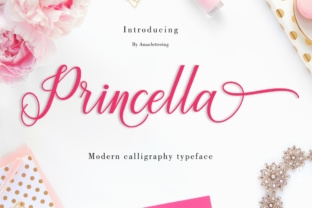
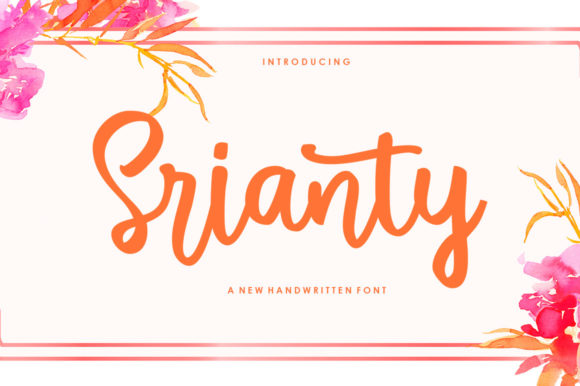
Compared to more ornate script fonts like Great Vibes or Brush Script MT, Tino Script has a simpler structure that doesn't overwhelm the reader. While these alternatives offer a more decorative feel, they may not be as effective in smaller sizes or when used in dense blocks of text. Tino Script, on the other hand, maintains clarity even at reduced sizes, making it ideal for body copy in certain design scenarios.
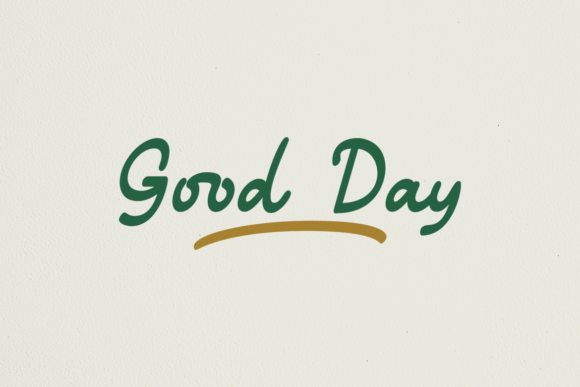
In contrast to sans-serif fonts, which are typically more modern and minimalistic, Tino Script provides a softer, more personal touch. It’s perfect for situations where you want to convey warmth or creativity without deviating too far from standard typographic norms.
Strengths of Tino Script
- Elegance and Simplicity: The monoline nature of Tino Script ensures that it remains visually appealing while maintaining a high level of readability.
- Adaptability: Its clean lines and dynamic baseline allow it to be used in a wide range of design applications, from logos to website headers.
- Consistency: The uniform stroke weight helps maintain visual harmony, especially in digital environments where precise alignment is crucial.
Potential Limitations
- Limited Use in Dense Text: While Tino Script works well for short phrases and headlines, it may not be the best option for long paragraphs due to its script-like nature.
- Less Ornate Than Some Alternatives: If your project requires a more elaborate or decorative look, Tino Script might not provide the desired effect compared to more intricate script fonts.
When to Choose Tino Script
Tino Script is an excellent choice for designers who need a script font that combines elegance with practicality. It is particularly well-suited for the following use cases:
- Branding and Logos: The graceful curves of Tino Script can add a professional yet approachable feel to brand identities.
- Web Design: Its consistent line weight and clear forms make it a reliable option for website headers, call-to-action buttons, and other interactive elements.
- Print Media: From invitations to packaging, Tino Script enhances the visual appeal of printed materials without compromising on readability.
- Stationery and Personal Projects: For those creating wedding invitations, greeting cards, or personal blogs, Tino Script offers a stylish yet accessible alternative to more complex scripts.
However, if your project demands a highly stylized or artistic look, you might consider other script fonts that offer more variation in stroke weight or letterform complexity. In such cases, it's essential to evaluate the specific needs of your design and choose a font that aligns with your goals.
Practical Examples and Comparisons
Imagine designing a promotional poster for a boutique clothing store. Using Tino Script for the headline would create a sophisticated yet inviting atmosphere. The font's clean lines and subtle baseline variations would draw attention without overwhelming the viewer.
In comparison, using a more elaborate script font could make the headline appear cluttered or difficult to read, especially from a distance. Tino Script avoids this issue by offering a balanced approach that appeals to both aesthetics and functionality.
Another example is a digital newsletter. Here, Tino Script can be used for section titles or subheadings, adding a personal touch while ensuring that the content remains easy to scan. However, for the main body text, a sans-serif or serif font would likely be more appropriate to maintain readability.
These examples highlight how Tino Script can serve as a bridge between formal and informal styles, making it a valuable asset in any designer's toolkit.
Final Thoughts on Choosing Tino Script
Selecting the right font involves considering multiple factors, including the purpose of the design, the target audience, and the overall visual identity. Tino Script excels in scenarios where elegance and clarity are paramount, but it's also wise to explore other options that may better suit specific requirements.
Ultimately, Tino Script is a strong contender for anyone seeking a script font that offers both beauty and usability. Its ability to adapt to various design contexts ensures that it remains a relevant and effective choice for modern creative projects.