Zalisha Script: A Modern, Irregular Baseline Font for Stylish Designs
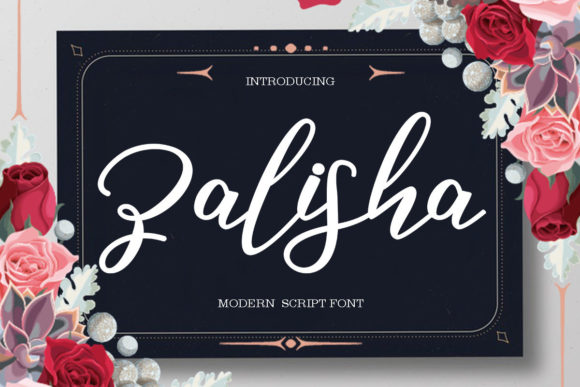
Zalisha Script is a modern script font that stands out with its unique irregular baseline, making it ideal for creative projects that demand personality and flair. Whether you're designing wedding invitations, thank you cards, or logos, this font adds a touch of elegance and contemporary style to your work. But before diving into using Zalisha Script, it's important to understand how to use it effectively and avoid common pitfalls that could compromise the quality of your designs.
Why Zalisha Script Is Worth Considering
Zalisha Script’s irregular baseline gives it an organic, hand-written feel that sets it apart from more traditional script fonts. This makes it especially well-suited for personal and artistic projects where authenticity is key. Its versatility allows it to be used across various mediums, including print and digital formats, ensuring that your message remains visually appealing regardless of the platform.
Designers, marketers, and small business owners often choose Zalisha Script for branding materials because it conveys creativity and professionalism simultaneously. It works particularly well on greeting cards, social media graphics, and even as part of a website’s typography to create a cohesive visual identity.
Common Mistakes When Using Zalisha Script
While Zalisha Script is a powerful tool, there are several common mistakes that users make when incorporating it into their designs. One of the most frequent errors is using it in inappropriate contexts. For example, applying it to long blocks of text can result in readability issues due to the font’s stylized nature. Always consider the purpose of the text before choosing a font.
Another mistake is neglecting to pair Zalisha Script with complementary fonts. Since it’s a script font, it should typically be paired with a sans-serif or serif font for body text to maintain balance and legibility. Failing to do so can lead to a cluttered or unprofessional appearance.
Overlooking Readability Issues
Zalisha Script may look beautiful, but it’s not always the best choice for all types of content. Many users overlook the fact that script fonts can be difficult to read at smaller sizes or in low-contrast environments. If you’re using Zalisha Script for a logo or headline, ensure that it remains legible at different sizes and distances.
A better approach is to test the font in various scenarios before finalizing your design. For instance, if you're creating a business card, print it out and check how it looks from a few feet away. This simple step can help prevent costly redesigns later on.
Ignoring Licensing and Usage Rights
It’s crucial to understand the licensing terms associated with Zalisha Script. Some fonts come with restrictions on commercial use, while others require attribution or payment for certain applications. Failing to adhere to these terms can result in legal issues, especially for entrepreneurs and freelancers who rely on font usage for client projects.
To avoid this, always review the license agreement before downloading or purchasing the font. If you're unsure about the terms, reach out to the font provider for clarification. Investing time in understanding the rules ensures that you remain compliant and avoid potential disputes.
Practical Tips for Using Zalisha Script Effectively
If you decide to use Zalisha Script in your design projects, follow these practical tips to maximize its impact:
- Use it sparingly: Reserve Zalisha Script for headlines, logos, or short phrases rather than lengthy paragraphs. This helps maintain readability without sacrificing style.
- Pair it wisely: Combine Zalisha Script with a clean, easy-to-read font like Helvetica or Georgia for body text. This contrast enhances visual appeal and ensures clarity.
- Check spacing and kerning: Because of its irregular baseline, Zalisha Script may require adjustments in letter spacing or kerning to achieve a balanced look. Use design software tools to fine-tune these settings.
- Test across devices: Ensure that Zalisha Script displays correctly on different screens and resolutions. This is especially important for websites and digital marketing materials.
Realistic Examples and Better Approaches
Imagine you're designing a wedding invitation and want to use Zalisha Script for the names of the couple. Instead of applying it to the entire invitation, use it only for the main title. Pair it with a simple serif font for the rest of the text, such as the date and venue details. This creates a stylish yet professional look that is easy to read.
On the other hand, if you're creating a thank you card, use Zalisha Script for the greeting and sign-off, but keep the body text in a more standard font. This approach maintains the elegance of the script while ensuring that the message is clear and easy to understand.
What to Check Before Using Zalisha Script
Before committing to Zalisha Script for your project, take the time to evaluate the following factors:
- Purpose of the design: Determine whether the font aligns with the tone and intent of your project. Is it for a formal event or a casual blog post?
- Legibility requirements: Consider the size and context in which the font will be used. Will it be viewed on a screen or printed on paper? Will it be seen up close or from a distance?
- Licensing and cost: Review the font's usage rights and pricing structure. Ensure that you have the appropriate license for your intended use.
- Compatibility: Test the font across different platforms and devices to ensure consistent performance and appearance.
By carefully considering these aspects, you can make informed decisions that enhance the overall quality and effectiveness of your design work.
Zalisha Script offers a fresh, modern take on script typography, but its success depends on thoughtful application. By avoiding common mistakes and following best practices, you can leverage its unique features to create stunning, professional designs that leave a lasting impression.